





In some cases, symptoms may be the result of an underlying condition that can be managed with proper medical treatment. In this case, avoiding these types of drinks and/or medications that contain histamine can help reduce the symptoms. It’s important to note that a Red Wine Allergy is not the same as an intolerance to red wine. This can be done by avoiding heavily-oaked wines or those with a higher alcohol content. Avoiding problematic ingredients or taking a supplement to reduce acetaldehyde buildup and intolerance symptoms can help prevent nasal congestion from drinking. Allergic reactions to alcohol can cause symptoms alcohol sneezing such as difficulty breathing, coughing, a runny nose, or stomach upset.
What Is Gluten Free Beer Made Of?
While alcohol can help you fall asleep faster, it has a negative effect on sleep quality and duration. This is why people who drink alcohol at bedtime (especially in excess) may fall asleep quickly, but they are also more likely to experience fatigue and insomnia in the long run. Alcohol increases your risk of breast cancer because it causes an increase in estrogen levels, and damages DNA, which can lead to the development of cancer cells.
Is it safe to drink alcohol while taking allergy medicine?
It is essential to talk with your doctor if you think you may be sulfite sensitive. It is important to be aware of any symptoms you may experience after consuming alcohol. While it can sometimes be harmless, there are times when the underlying cause could be more serious. In particular, if you have developed an intolerance or allergy to wine, then this could lead to more severe reactions such as anaphylaxis.
- If you suspect you have alcohol intolerance, it is best to consult a healthcare professional for an accurate diagnosis and advice.
- Your descent may also have to do with that because those belonging to Asian countries face more of such problems leading to nasal inflammation on drinking alcohol.
- A person experiencing a severe allergic reaction should go to the emergency room immediately.
- To reduce the likelihood of sneezing from red wine, some experts recommend choosing wines with lower levels of tannins.
- Alcoholic beverages like wine and beer can make allergies worse due to their high histamine content.
How is alcohol allergy diagnosed?
This reaction will happen whatever alcohol you consume, whether it is drunk or added to main courses or puddings. Furthermore, alcohol can cause swelling in the nasal tissue, leading to nasal congestion—an aggravating factor for Alcohol Use Disorder allergic rhinitis symptoms. Sneezing is generally harmless, but if it affects your quality of life, consult a doctor for solutions. Sneezing after drinking alcohol is common and often not serious, typically triggered by histamines in beverages or other irritants.

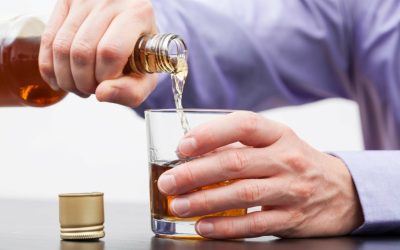
This reaction is a result of vasodilation and increased sensitivity of nerve endings in your nasal passages. While alcohol-induced sneezing is generally harmless, taking note of any severe or persistent symptoms is essential. Ultimately, each person’s reaction to alcohol can vary, so understanding your body’s unique response is key. If someone believes they have an alcohol allergy or intolerance, they should stop drinking alcoholic drinks and visit their healthcare provider for testing and advice. One of the most common forms of alcohol intolerance is sulfite intolerance. This type of allergy occurs when an individual cannot break down sulfites, which are a byproduct of fermentation and appear in wine and other alcoholic beverages.
While some foods are broken down in the intestines, others are digested in the stomach. If you have an intolerance or sensitivity to any of these ingredients, you’ll likely react to drinking beer. Alcohol itself can cause blood vessels to dilate, which can lead to swelling, nasal congestion, and excessive mucus drainage. These symptoms can also make the nasal passage more sensitive, leading to sneezing.
Additionally, alcohol can trigger an inflammatory response in the nasal lining, resulting in swelling and congestion. Histamine release, commonly seen in allergic reactions, may also contribute to the congestion experienced by some individuals. People who are histamine intolerant can develop symptoms such as sneezing, nausea, vomiting, and headaches after drinking alcohol. Histamine intolerance is caused by a lack of an enzyme called diamine oxidase (DAO).
Treatment
While alcohol content does not directly cause sneezing, it can contribute to nasal congestion or irritation, potentially triggering sneezing in some individuals. This includes regular use of prescribed medication, avoiding known triggers, and maintaining a healthy lifestyle. Another possibility is that alcohol irritates the mucous membranes in the nose, causing them to swell and lead to sneezing.

While the body naturally produces https://ecosoberhouse.com/ histamine, we also consume it through food and drinks that are rich in histamines, including cheese, wine, meats, fish, and fermented foods. Having a mild intolerance to alcohol or something else in alcoholic beverages might not require a trip to a doctor. Cross-reactivity with other allergens, such as gluten or histamines, can also play a role.
- To avoid a reaction, don’t drink alcohol or the particular type of alcoholic beverage that causes your reaction.
- Mixed drinks containing any of the ingredients mentioned earlier are also likely to cause sneezing.
- This condition is more common among individuals of East Asian descent due to a genetic mutation that affects alcohol metabolism.
- These symptoms can occur almost immediately after ingesting beer and should be treated as severe and potentially life-threatening.
If you find yourself sneezing after consuming specific alcoholic beverages, the culprit could be an allergy to certain ingredients in those drinks. For instance, some individuals may be sensitive to the sulfites present in wine or the hops in beer, resulting in an allergic reaction and subsequent sneezing. This inflammation can trigger a wide range of symptoms like nausea, vomiting, muscle aches, heartburn, and even headaches. Additionally, alcohol can worsen existing allergic reactions as it suppresses the body’s ability to fight off foreign substances. Signs of an allergic reaction may include nausea, vomiting, hives, and Drug rehabilitation itching. Certain medications and foods can also trigger alcohol intolerance, as they can interfere with the body’s ability to process alcohol.
Then, you’ll try to add the food back in later to see if your symptoms come back. Once you notice patterns, your provider may have you try an elimination diet to see if your symptoms improve when you stop consuming something that could be a trigger. A food and symptom diary can help you keep track of when your symptoms appear and whether they line up with certain things—such as alcohol. Withdrawal symptoms can quickly go from a bad hangover to a serious medical… A person experiencing a severe allergic reaction should go to the emergency room immediately. If someone experiences a severe allergic reaction, they should go to the emergency room immediately. If they do not have an epinephrine injection to treat anaphylaxis right away, it could be fatal.